
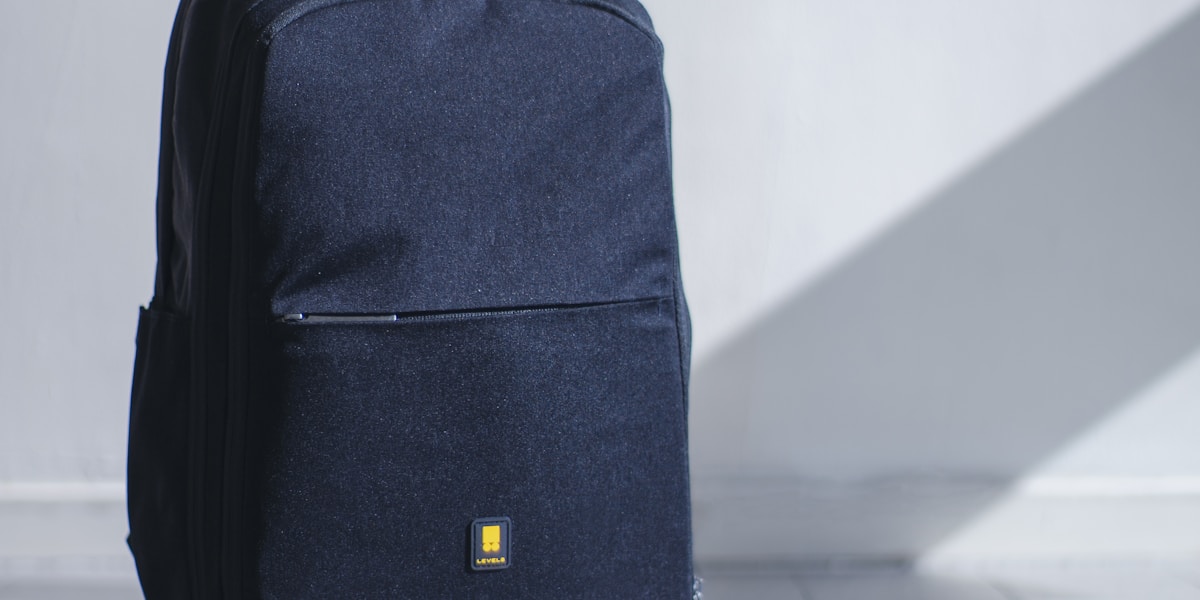
Concealed Carry Backpack: How to Choose an Off-Body Carry Bag Safely (2026)
A concealed carry backpack can be practical in the right circumstances, but it demands deliberate bag control, secure retention, and state-law awareness. Use this 2026 guide to evaluate off-body carry safely.
A concealed carry backpack can solve a real everyday problem: some people need a way to carry essential items while commuting, traveling, parenting, or working in clothing that does not support an on-body holster. But convenience does not remove responsibility. A bag is easier to set down, easier to hand to someone else, and easier to lose track of than equipment attached to your body.
This guide is not a product roundup or legal advice. It is a safety-first framework for deciding whether a concealed carry backpack makes sense for your routine, what features deserve scrutiny, and when a different carry method may be the better choice. Before carrying in any state, confirm the current rules with the relevant agency and review a state-specific resource such as SafetyCCW's Florida guide or Texas guide.
The short answer: what makes a concealed carry backpack safer?
A concealed carry backpack is safer when the carrier can maintain direct control of the bag, the firearm stays in a purpose-built and protected compartment, and the bag is never treated like ordinary luggage. The backpack should not be passed around, left in a vehicle without secure storage, placed where a child or unauthorized person can reach it, or used as a substitute for training.
The most important question is not, “Which bag looks best?” It is, “Can I keep this bag under my control for the entire time it contains a firearm?” If the honest answer is no—because the backpack will be stored in a classroom cubby, gym locker, office coat room, stroller, or shared vehicle—off-body carry may not be the right option for that part of the day.
Is off-body backpack carry right for you?
Off-body carry means the firearm is carried in a container rather than secured directly to the body. Backpacks, purses, briefcases, and sling bags can make everyday carry more comfortable and can carry other necessities. Those advantages are real, but so are the tradeoffs. Access generally takes more steps, retention depends on the bag remaining with you, and an ordinary moment of distraction can create an access problem.
Consider a backpack only after thinking through your routine. A commuter who keeps the bag worn or within reach may have a different risk profile than a parent who regularly puts a backpack on the floor near children. A traveler who checks local rules and uses a locked container when the bag is not under direct control may have a different routine than someone who leaves a bag unattended in a vehicle. The method should fit your actual habits, not an idealized version of your day.
What to look for in an off-body carry backpack
A dedicated, separate carry compartment
Choose a bag with a compartment intended only for the firearm and its retention system. Avoid relying on a loose interior pocket, a general organizer sleeve, or a compartment shared with keys, chargers, pens, snacks, or other loose items. A separate compartment reduces the chance that the firearm shifts, becomes visible during a routine search for an item, or is handled while you are reaching for something unrelated.
Secure retention and protected trigger coverage
The firearm should stay in the same orientation and should not move freely inside the bag. A secure holster or retention insert designed for the specific setup is more important than extra pockets or a fashionable exterior. The trigger area should be protected from loose items and from contact during normal use. If you cannot inspect how the bag retains the unloaded firearm during a calm evaluation, do not make it an everyday-carry solution.
Control that matches your real routine
The best feature on a concealed carry backpack is the carrier's consistent control of it. Look for a configuration you can keep worn, held, or placed immediately beside you without creating a tripping hazard or giving someone easy access. Project ChildSafe's guidance for carry purses makes the same practical point: never leave the bag unattended, do not hang it on the back of a chair, and keep it close to your body when it contains a firearm. Read the safety guidance.
A lock plan for times when the bag is not under your control
Zippers alone are not a storage plan. Think through where the backpack goes when it must come off your body, including at home, in a vehicle, or in a location where carrying is not allowed. The Johns Hopkins Center for Gun Violence Solutions recommends locked, unloaded storage when a firearm is not in use and keeping lock access unavailable to unauthorized people. Its research page also cites an estimated 250,000 firearm-theft incidents each year, which is one reason a vehicle or unattended bag deserves a separate security plan. Review its secure-storage guidance.
A non-obvious, durable design
Discretion is useful, but it should not come at the expense of function. Select straps, closures, and a carrying style you can manage without constantly adjusting the bag. Before committing, load the backpack with everyday items and try ordinary movements—standing, sitting, bending, getting in and out of a vehicle, and moving through a doorway—using an unloaded firearm or an inert training aid. The goal is not speed. The goal is to identify snags, exposure risks, and moments when the bag is likely to be set down.
Backpack carry versus on-body carry
On-body carry keeps the firearm physically attached to the carrier, which generally reduces the risk of leaving it behind or having a bag grabbed. A backpack can be more flexible for certain clothes, medical gear, work equipment, or longer days, but it introduces another object that must be supervised.
Neither method automatically fits every person. If your routine involves frequent bag handoffs, young children, shared spaces, or long stretches when the backpack cannot stay with you, an on-body setup or secure storage may be a better fit. For a broader look at carry equipment and trigger-coverage considerations, see our guide to concealed carry holsters for beginners and our women's holster guide.
A practical pre-purchase checklist
Use this checklist before buying or carrying with a backpack:
- Can the bag keep the unloaded firearm in a dedicated, stable, protected compartment?
- Can you keep the backpack under your direct control for the full period it contains the firearm?
- Do you have a locked-storage plan for home, vehicles, and places where the bag must come off?
- Does the bag remain manageable when loaded with the items you actually carry every day?
- Have you confirmed that your state's carry rules and restricted-location rules allow your planned use?
- Can you practice safe handling with an unloaded firearm or training aid without rushing or improvising?
If any answer is no, pause before treating the bag as a carry solution. A lower-cost bag that encourages unsafe habits is not a bargain. The right decision may be to change the routine, select a different method, take a class, or use secure storage instead.
Everyday safety rules for backpack carry
The safety rules are simple, but they only work when they become routine. Keep the bag on your body or immediately within your direct control. Do not leave it in a shopping cart, under a restaurant table, in a school or workplace storage area, or on a vehicle seat. Do not allow another person to carry the bag without first removing and securing the firearm. Do not place the bag where a child can access it. And do not use the carry compartment for ordinary items.
When you arrive home, decide in advance whether the firearm stays on your person or moves to locked storage. Avoid making that decision when you are tired, distracted, or carrying groceries. A predictable arrival routine is safer than improvising from day to day.
Laws, restricted locations, and travel
There is no single national rule that says a concealed carry backpack is legal everywhere a person may carry. State law, permit status, reciprocity, property rules, and the specific location all matter. Schools, government buildings, airports, some businesses, and private property can have restrictions even in states with permitless carry. The backpack does not create an exception.
Start with the rules for the state where you are physically located, not just your home state's rules. If you cross state lines, review current reciprocity information and destination restrictions before you travel. Our concealed carry laws by state guide and CCW reciprocity map guide can help you frame the questions, but official state and local sources should control your final decision.
Training matters more than the bag
A purpose-built bag can help with organization and retention, but it cannot teach judgment. Training should cover safe handling, lawful carry boundaries, secure storage, conflict avoidance, and the practical limitations of the equipment you choose. If you are new to concealed carry, begin with the process and requirements in your state before making gear choices. Our guide to finding quality CCW training explains how to evaluate instruction and ask the right questions.
Check your state requirements before you buy
Your gear choice is only one part of responsible carry. Review your state's application, training, and documentation requirements before choosing a provider. Check your eligibility to explore a partner option, then confirm all current requirements directly with the appropriate licensing authority. SafetyCCW is an independent educational resource and does not issue licenses or determine eligibility.
Frequently asked questions about concealed carry backpacks
Are concealed carry backpacks safe?
They can be safer when the carrier keeps direct control of the bag, uses a dedicated retention compartment, and has a secure-storage plan for any time the backpack is not under control. They are not a good choice when the bag will routinely be left unattended, handed to others, or accessible to children.
What should a concealed carry backpack compartment include?
Look for a separate compartment, stable retention for the firearm, protection around the trigger area, and a closure that supports your overall security plan. The compartment should not be used to store ordinary loose items. Evaluate the setup with an unloaded firearm or an inert training aid before relying on it.
Can I leave a concealed carry backpack in my car?
Do not treat a vehicle seat, trunk, or center console as a universal answer. Vehicle-storage rules vary by jurisdiction, and an unattended vehicle creates theft and access risks. If the firearm cannot remain under your direct control, use a secure locked-storage method that is appropriate for the situation and review applicable local law.
Is a backpack better than a holster for concealed carry?
It depends on your routine, clothing, and ability to maintain control of the equipment. An on-body holster generally keeps the firearm attached to you, while a backpack can provide flexibility but requires stricter bag control. Choose the method that supports safe, lawful habits throughout your normal day.
Do I need a permit to carry in a backpack?
Permit requirements depend on the state, your eligibility, the location, and whether the state has permitless carry. A backpack does not change the underlying carry law. Verify the current rules with the relevant state or local authority before carrying.
Sources
Considering a New Hampshire nonresident permit?
If the NH route fits your travel plans, see how RushPermit’s paid application assistance works. Compare it with the official DIY instructions before choosing.
Explore NH Permit Assistance Read the NH application guideAffiliate-funded. The service is separate from government fees, state submission and the issuing agency's decision.